October 28, 2026
A healthy landscape depends on receiving the right amount of water at the right time. Without a well-planned watering routine, lawns, shrubs, trees, and garden beds may experience stress from inconsistent moisture or excessive watering. An efficient irrigation system helps distribute water where it is needed while reducing waste and supporting healthier plant growth. It can also help property owners manage utility expenses by limiting unnecessary water use. Factors such as soil type, plant selection, sunlight exposure, and seasonal weather all influence irrigation needs. Understanding how these elements work together makes it easier to maintain an attractive outdoor space without using more water than necessary. With proper design, installation, and maintenance, irrigation can become a practical part of long-term landscape care.
Delivering Water Where Plants Need It
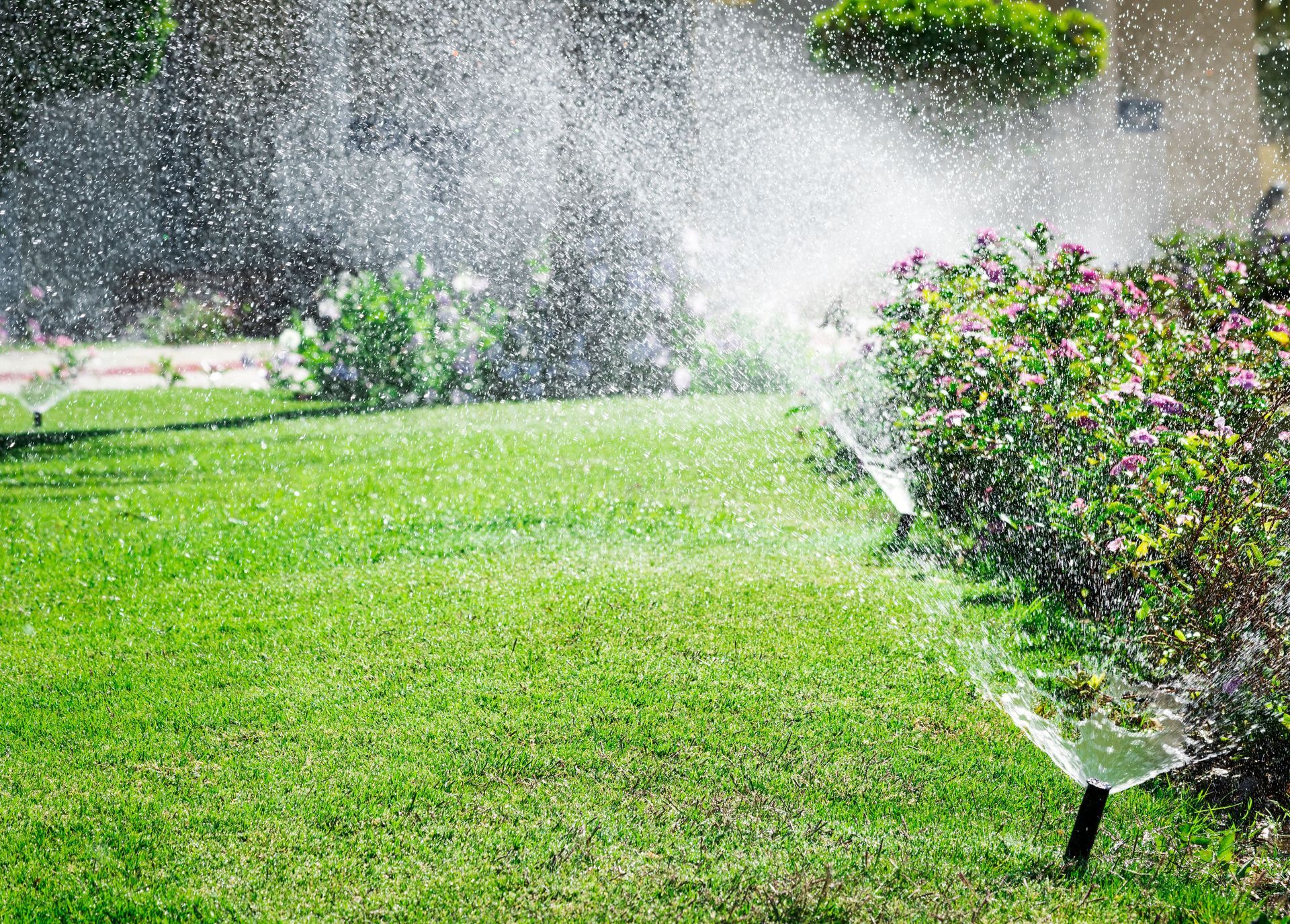
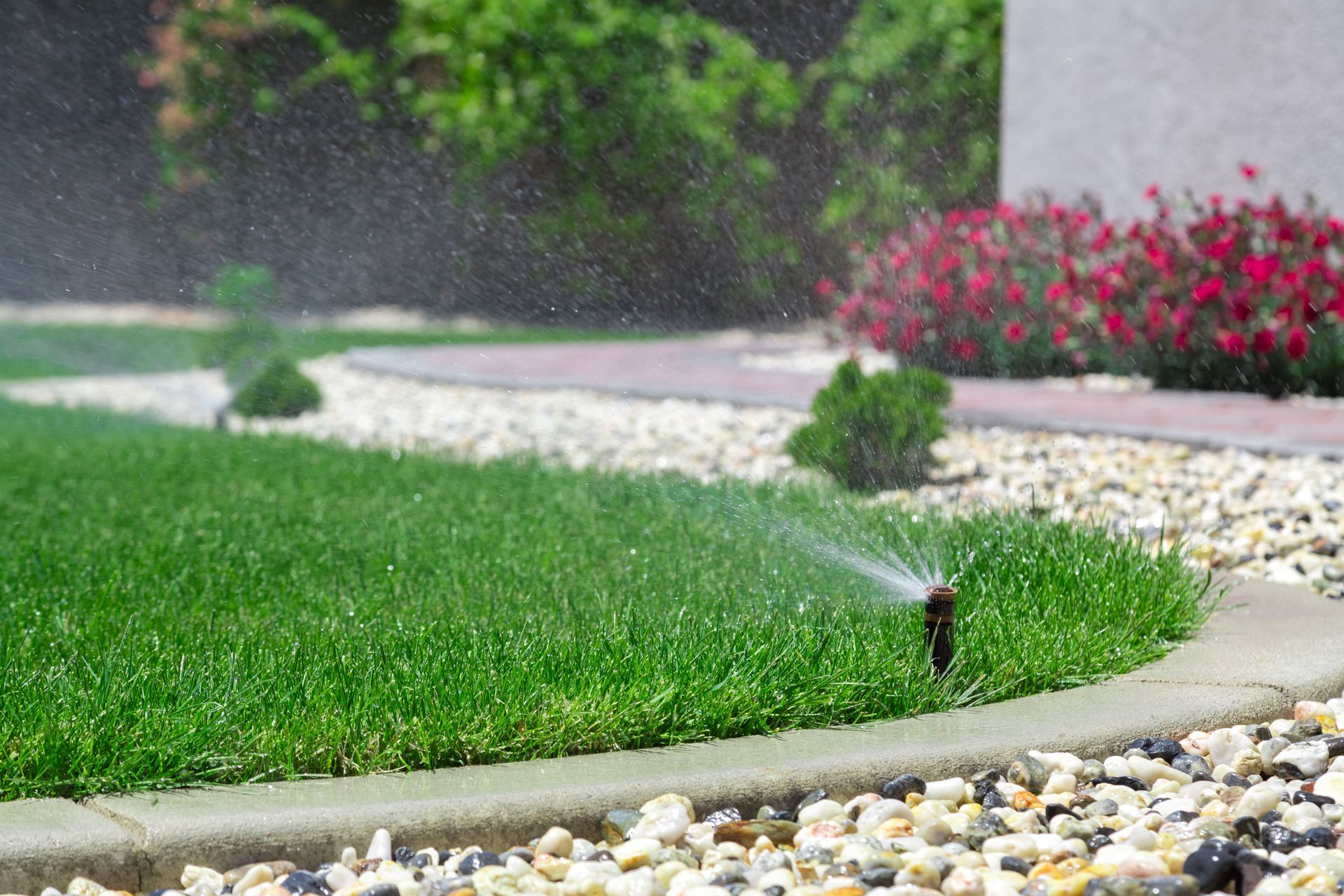
An efficient irrigation system directs water toward the areas where plants can use it most effectively. Instead of relying entirely on a hose or broad manual watering, property owners can use sprinklers or drip lines suited to different landscape zones. A knowledgeable irrigation company can assess the property's layout and determine which delivery methods fit its plants and soil conditions. Grass areas may benefit from sprinkler coverage, while shrubs, trees, and garden beds may be better served by targeted watering. This approach helps limit runoff onto driveways, sidewalks, and other surfaces that do not need irrigation. It also reduces the chance that some areas receive too much water while others remain dry. Properly positioned equipment can improve coverage and support more consistent plant growth. By matching the watering method to the landscape, property owners can use water more purposefully.
Reducing Unnecessary Water Consumption
Watering habits have a direct effect on household water consumption, particularly in properties with extensive lawns and landscaped areas. According to the U.S. Department of Agriculture, nearly 50% of homeowners' water use goes toward lawn irrigation, illustrating how significantly outdoor watering can affect overall demand. An efficient irrigation system helps reduce unnecessary consumption by delivering water according to the landscape's actual requirements. A professional irrigation company can identify opportunities to improve coverage, adjust schedules, and reduce waste caused by poorly directed sprinklers. Water-efficient nozzles and properly maintained components can also help prevent overspray and excessive application. Property owners should account for rainfall rather than continuing to water automatically when the ground is already moist. These adjustments can reduce wasted water without sacrificing landscape health. Over time, more careful watering practices may also help lower household utility costs.
Supporting Stronger Root Development
Plant roots need an appropriate balance of moisture and oxygen to grow and absorb nutrients effectively. Frequent shallow watering can encourage roots to remain near the surface, where they may be more vulnerable to heat and drying conditions. Depending on the soil and plant species, deeper and appropriately spaced watering may encourage roots to develop farther into the ground. An irrigation company can help establish a schedule that considers local conditions and the needs of different plants. Sandy soils may drain quickly, while clay soils can retain water longer and require different application strategies. The goal is to provide enough moisture for healthy root development without keeping the soil continuously saturated. Stronger root systems can help lawns and landscape plants cope with ordinary fluctuations in weather. Consistent watering practices support the long-term condition of the landscape rather than simply keeping its surface looking green.
Preventing Overwatering and Plant Disease
Too much water can harm plants just as insufficient watering can. Oversaturated soil may restrict oxygen around roots, encourage root problems, and contribute to conditions that favor certain plant diseases. Wet foliage that remains damp for extended periods can also increase the risk of some fungal problems. A properly configured irrigation company can help homeowners evaluate watering frequency, sprinkler placement, and application duration to avoid excessive moisture. Scheduling irrigation during suitable hours can reduce evaporation and, where practical, help foliage dry more quickly. Soil moisture should also be considered rather than relying only on a fixed calendar. Different plant species may require different amounts of water, even when they share the same yard. Adjusting watering practices to actual conditions helps maintain healthier plants while avoiding waste. A balanced system supports growth without creating unnecessarily wet conditions.
Improving Lawn Appearance and Consistency
Uneven watering can produce a lawn with dry patches, discolored areas, and inconsistent growth. These problems may result from blocked sprinkler heads, poor coverage, incorrect pressure, or a schedule that does not match the lawn's needs. An irrigation company can inspect the system and identify areas where adjustments may improve distribution. Sprinkler heads should be positioned so their spray patterns provide suitable coverage without leaving large gaps or directing water onto hard surfaces. The watering schedule should also reflect the grass type, soil conditions, weather, and time of year. During cooler or rainy periods, lawns may need less supplemental water than they require during hot, dry weather. Regular inspection helps identify developing problems before they affect larger sections of the yard. Consistent coverage supports a more uniform lawn while reducing the temptation to compensate for dry spots by watering the entire property excessively.
Lowering Long-Term Landscape Expenses
An efficient irrigation system can help manage ongoing costs by reducing unnecessary water use and limiting damage associated with poor watering practices. Excessive irrigation may increase utility bills while contributing to plant decline, soil erosion, or drainage problems. A qualified irrigation company can help identify inefficiencies that may be costing property owners money. Timely repairs to leaking pipes, broken sprinkler heads, and malfunctioning valves can prevent water from being wasted over extended periods. Smart controllers and rain sensors may also help adjust irrigation schedules when weather conditions change, depending on the equipment selected. Although upgrades involve an initial expense, their value depends on the property's existing system, water rates, and irrigation habits. Homeowners should compare potential savings with installation and maintenance costs before choosing improvements. Careful planning can help create a system that supports landscape health while keeping operating expenses under control.
Adapting Watering to Seasonal Changes
Landscape water requirements change throughout the year as temperatures, rainfall, sunlight, and plant growth patterns shift. A schedule that works during a hot, dry period may provide excessive moisture during cooler weather or after regular rainfall. An irrigation company can help property owners establish seasonal adjustments that reflect local climate conditions and the needs of their plants. Rain sensors and weather-responsive controllers may reduce unnecessary watering when natural precipitation supplies enough moisture. Homeowners should also monitor signs of plant stress and check soil conditions before making major schedule changes. Newly planted trees and shrubs may need different care from established plants with developed root systems. Seasonal adjustments can help prevent overwatering during wet periods and provide suitable supplemental moisture when conditions become dry. Reviewing the system periodically makes it easier to respond to changing landscape requirements.
Maintaining Irrigation Equipment Regularly
Even a well-designed irrigation system needs regular inspections to maintain reliable performance. Sprinkler heads can become clogged, valves may develop leaks, and pipes or fittings can deteriorate over time. A dependable irrigation company can inspect components, test coverage, and recommend repairs when necessary. Property owners can also look for visible pooling, unexpected wet areas, weak spray patterns, or unusually high water bills. Controllers should be checked to ensure that watering schedules remain appropriate for the season and the landscape's needs. Drip irrigation lines may require cleaning or replacement if emitters become blocked or damaged. Addressing small issues promptly can help prevent water waste and more extensive repairs later. Consistent maintenance protects the system's performance and helps preserve the benefits of efficient watering.
An efficient irrigation system supports landscape health by delivering water appropriately, encouraging healthy roots, reducing overwatering, and adapting to changing conditions. Better water management can also help control utility expenses and reduce avoidable maintenance problems. Regular inspections and seasonal adjustments are important for keeping the system working as intended. By considering the property's soil, plants, layout, and local weather, homeowners can make informed decisions about irrigation improvements.
Contact Southern Lawn & Landscapes LLC to discuss your landscape's watering needs and explore irrigation solutions that can support healthy plants and more efficient water use.