September 26, 2026
Selecting an appropriate hydration framework for a home landscape is one of the most critical decisions a home gardener will make. Every landscape presents a unique set of microclimates, soil conditions, and plant varieties that dictate specific moisture requirements. Designing a strategy that addresses these varying factors requires careful planning and an understanding of how water moves through different growing media. Without a tailored approach, plants may suffer from either root rot caused by oversaturation or stunted growth stemming from severe moisture stress. Selecting the right setup is fundamentally about creating a balanced environment where your vegetation can reliably thrive.
Beyond maintaining plant health, the choice of equipment plays an indispensable role in promoting environmental responsibility and lowering long-term utility expenses. Modern landscape care demands a conscious effort to minimize resource waste, particularly as regional water restrictions become more prevalent. Efficient distribution networks allow property owners to target the root zones of specific plants, reducing surface evaporation and unwanted weed proliferation. Investing time into evaluating your property's layout ensures that every gallon used contributes directly to the vitality of your garden. A well-planned irrigation system ultimately yields a resilient, vibrant landscape while keeping operational costs manageable year after year.
Evaluating Soil and Botanical Demands
Assessing the structural composition of your soil is the foundational step in designing a successful hydration plan. Clay soils feature tiny particles that tightly hold moisture, requiring slower, less frequent application to prevent surface pooling and runoff. Conversely, sandy soils possess large particles that allow water to drain rapidly, necessitating more frequent, lower-volume applications to keep root zones hydrated. Loamy soils offer a balanced middle ground, retaining sufficient moisture while maintaining excellent aeration. Identifying where your ground falls along this spectrum allows you to choose components that match the specific absorption rate of your dirt, ensuring optimal resource utilization.
Analyzing the distinct hydration needs of your plant collection is equally vital when selecting equipment. Deep-rooted shrubs and established perennials require different delivery volumes than shallow-rooted annuals or turfgrass. Native species often adapt well to natural precipitation patterns, whereas exotic or fruiting plants demand precise and consistent moisture levels. Categorizing your landscape into distinct hydrozones based on light exposure, plant type, and growth stage enables targeted hydration. This tailored irrigation approach prevents the common pitfall of overwatering drought-tolerant species while simultaneously leaving thirstier vegetation under-nourished.
Calculating Available Pressure and Volume
Determining the output capacity of your water supply is essential before purchasing any distribution components. Dynamic water pressure, measured in pounds per square inch, directly impacts how far and how evenly water can be distributed across a space. Flow rate, measured in gallons per minute, dictates how many emission devices can operate simultaneously on a single zone. Running a simple bucket test at the main spigot yields crucial metrics that prevent poor system performance. Failing to account for supply limits often results in underpowered spray patterns, dry spots, and inefficient coverage across garden beds.
Understanding how static pressure drops across long distances or elevation changes is another vital engineering consideration. Sloped properties require pressure-regulating components to ensure uniform delivery from the highest point of the garden to the lowest. High pressure can cause fine misting, which leads to heavy evaporation losses, while low pressure causes emitters to trickle or fail entirely. Integrating pressure regulators, backflow preventers, and proper pipe sizing safeguards the hardware while ensuring consistent delivery. Aligning your irrigation layout with the physical reality of your main line secures consistent performance across the entire property.
Integrating Target-Specific Equipment
Implementing precision micro-distribution networks provides unmatched efficiency for flower beds, vegetable rows, and individual container plants. These systems deliver moisture slowly and directly to the root zone, virtually eliminating drift from wind and loss to evaporation. According to the Northwest Water Planning Alliance, inefficient watering methods can waste as much as 50% of all water used outdoors. Drip systems combat this wastage by offering precise control over water delivery, significantly reducing water loss. By keeping foliage dry, these targeted networks also suppress fungal diseases and deter weed seeds from germinating in bare soil.
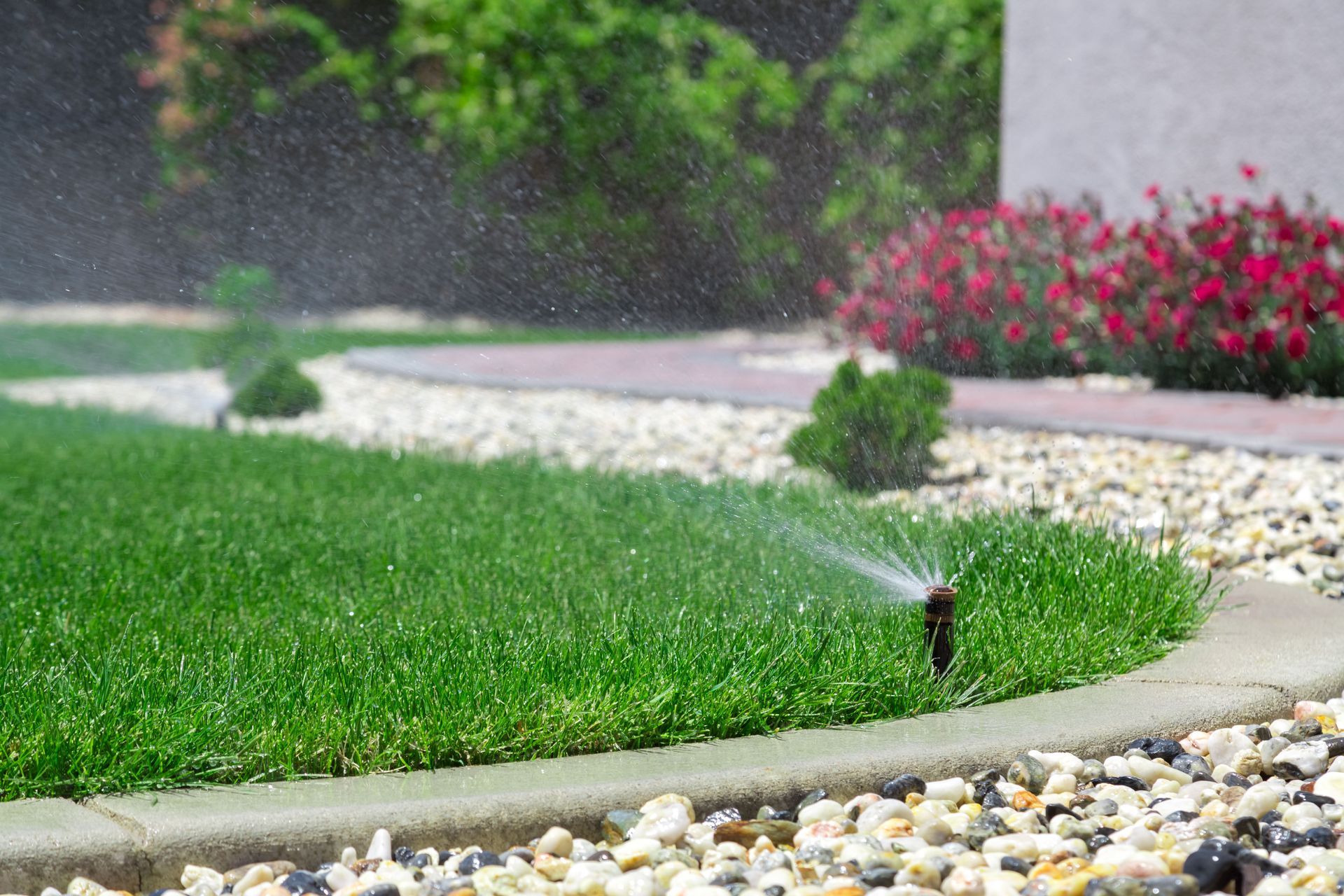
Deploying overhead spray hardware remains an effective choice for broad, uniform spaces such as lawns and dense groundcovers. Rotary nozzles and traditional spray heads project water over large radii, simulating natural rainfall across wide areas. However, these setups require careful calibration and wind monitoring to prevent overspray onto hardscapes like driveways and sidewalks. Modern spray heads feature head-to-head coverage designs and low-precipitation-rate nozzles to enhance distribution uniformity. Balancing low-volume emitters with targeted spray zones ensures every distinct area of your property receives appropriate irrigation without unnecessary waste.
Adopting Automation and Automation Tools
Upgrading to smart control units elevates a standard watering routine into an adaptive, data-driven management system. Weather-based controllers utilize real-time local meteorological data to automatically delay or adjust schedules based on recent rainfall, humidity, and temperature. Soil moisture sensors buried in key garden zones measure actual ground hydration, ensuring schedules run only when plants genuinely require moisture. These technologies eliminate manual guesswork and prevent the wasteful scenario of running sprinklers during heavy downpours. Automating your property's schedule protects both your landscape investment and the surrounding environment.
Incorporating flow meters and automatic shutoff valves provides crucial protection against undetected leaks and line ruptures. A severed tube or cracked manifold can waste thousands of gallons before being noticed visually during routine walk-throughs. Smart monitoring devices detect abnormal flow spikes and instantly shut down the affected zone while sending alerts directly to your mobile device. Regular programming updates that reflect seasonal shifts further optimize system performance throughout the year. Embracing modern controller technology ensures your automated irrigation system delivers precise care even when you are away from home.
Executing Ongoing System Upgrades
Maintaining long-term efficiency requires a consistent routine of seasonal inspections, cleanings, and proactive repairs. Emitters can become clogged by mineral deposits, organic debris, or soil back-siphonage, leading to uneven distribution and stressed plants. Flushing lines twice a year and cleaning inline filters prevents debris build-up from compromising flow rates. Inspecting lines for punctures or misaligned spray heads ensures water lands exclusively on target vegetation. A proactive approach to basic care prevents minor component failures from turning into costly landscape repairs or inflated utility bills.
Preparing underground and aboveground components for freezing winter temperatures is vital in regions subject to hard frosts. Trapped moisture expands as it freezes, cracking plastic manifolds, bursting lines, and destroying delicate valve mechanisms. Utilizing compressed air to blow remaining water out of the lines safeguards the infrastructure through the cold months. Storing delicate timers and aboveground hoses indoors prolongs their operational lifespan significantly. Recommissioning the irrigation setup in spring with fresh batteries and careful pressure checks guarantees a smooth transition into the growing season.
Optimizing your landscape management practices requires quality equipment, expert design, and reliable component selection tailored to your specific outdoor space. For expert guidance, high-grade supplies, and customized system planning that elevates your property's performance, contact Southern Lawn & Landscapes LLC today. Our specialized team stands ready to help you implement a modern, efficient, and sustainable solution tailored to your landscape's unique needs.
Partnering with experienced professionals ensures your outdoor investment delivers lush, healthy results while actively conserving precious local resources. From initial site assessment through ongoing seasonal maintenance, expert support removes the hassle from maintaining a vibrant garden. Transform your home's exterior into a thriving, eco-friendly sanctuary with an
irrigation setup engineered for maximum performance and long-term durability. Reach out to Southern Lawn & Landscapes LLC now to schedule your consultation and take the first step toward a smarter outdoor setup.