April 24, 2026
Selecting a landscaping contractor influences not only how a property looks but also how well it functions, how it is maintained over time, and how it supports long-term property value. With many providers available in any region, narrowing down the right landscaping company requires a structured evaluation of reputation, communication, planning approach, and consistency rather than quick comparisons based on price alone.
This guide breaks down the key considerations when hiring a landscaping company so property owners can make a confident and informed decision without unnecessary complexity.
Reviewing Online Reputation and Feedback
Online reputation is often the first meaningful indicator of how a landscaping company operates. According to Leads4Build, 90% of consumers read online reviews before hiring a landscaping service. Reviews provide insight into communication style, consistency of work, and the overall experience clients have across different types of projects.
This reflects how heavily people rely on shared experiences when selecting a landscaping company. Feedback patterns matter more than individual comments, especially when they repeatedly highlight responsiveness, scheduling reliability, and follow-through.
A landscaping company that actively engages with reviews demonstrates accountability and ongoing involvement with its client base. A steady flow of recent feedback also suggests consistent activity, while outdated reviews may indicate reduced project volume or limited recent engagement.
It is also important to consider how a landscaping company responds to negative feedback. Professional responses that address concerns in a structured manner often indicate a more organized internal process and a willingness to improve service quality over time.
Evaluating Experience and Project History
Experience plays a central role in determining whether a landscaping company can handle a variety of property conditions, design expectations, and project demands. A documented history of completed work provides a clearer picture of capability than general claims or descriptions.
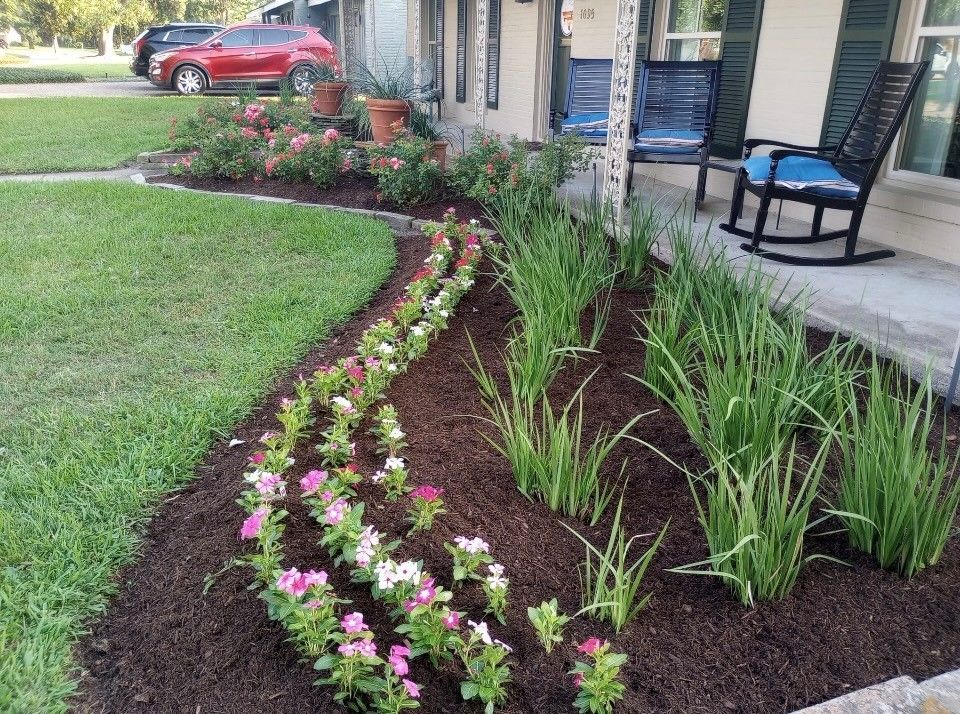
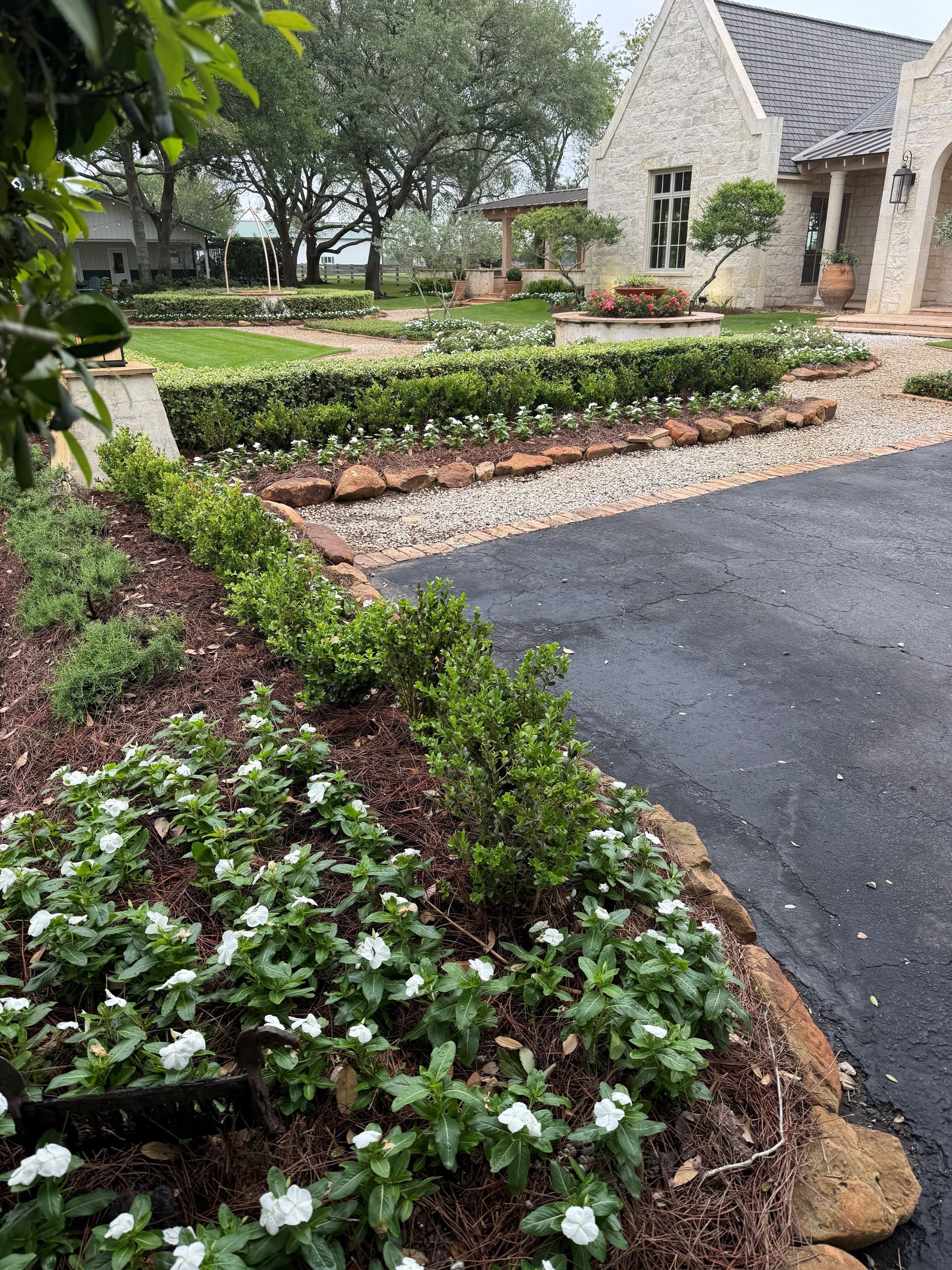
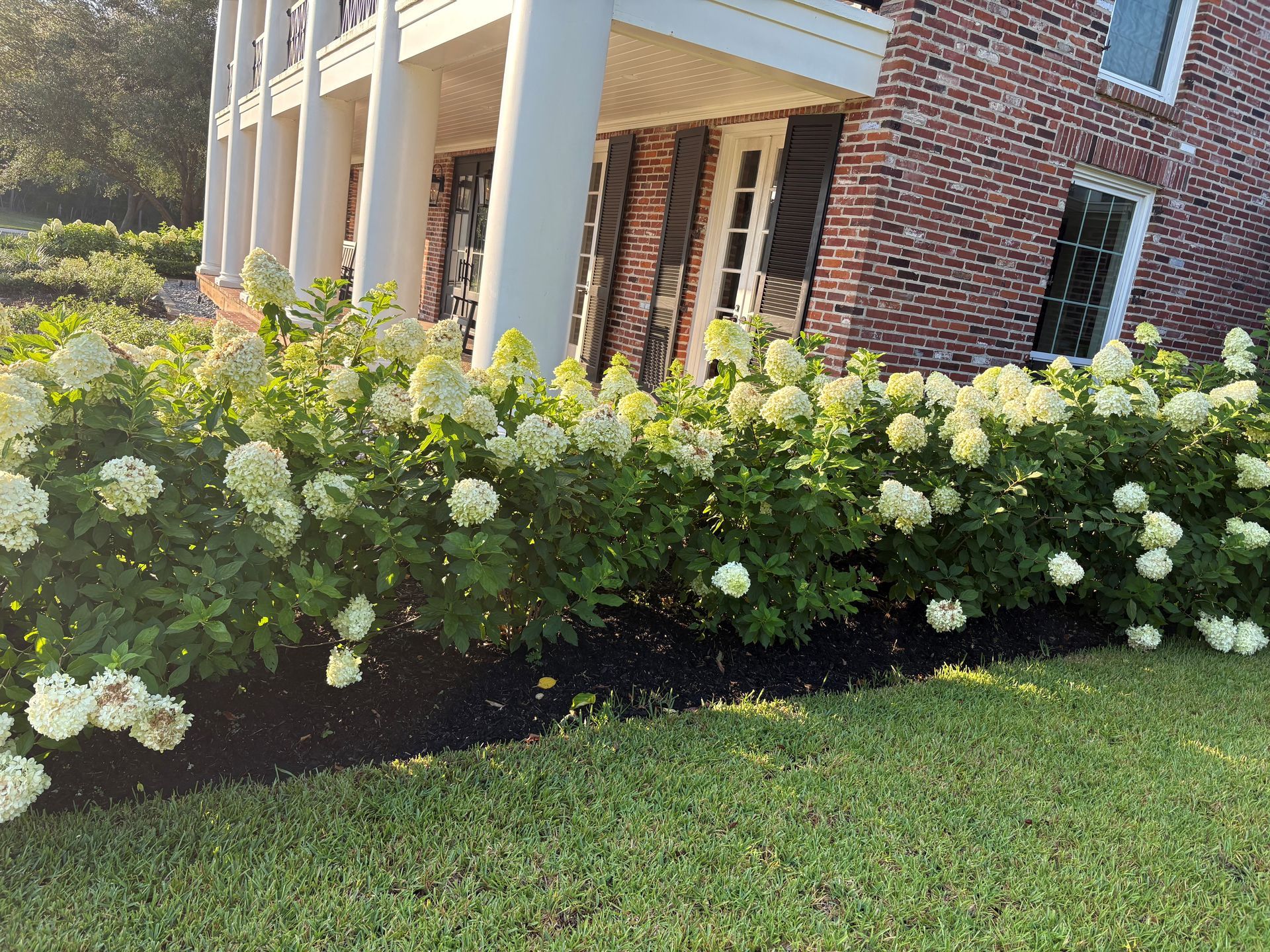
Project portfolios, visual documentation, and years of operation all help establish context. A landscaping company with varied project history shows adaptability across different property sizes, terrain conditions, and environmental constraints. This variety is important because no two properties present identical challenges.
Long-standing presence in the industry often indicates that a landscaping company has refined its processes through repeated execution and exposure to different types of project requirements. In many cases, longevity also reflects the ability to maintain steady client demand and operational consistency.
Assessing Communication and Responsiveness
Communication quality often shapes the entire experience with a landscaping company from the first interaction through project completion. Responsiveness, clarity, and consistency are essential indicators of how smoothly the process will run.
A landscaping company that replies promptly, explains expectations clearly, and maintains structured updates reduces uncertainty and helps keep projects aligned. Early communication behavior is often one of the strongest predictors of how well the rest of the engagement will proceed.
It is also important to observe how information is delivered. A landscaping company that organizes details in a clear and understandable way makes it easier to track decisions and avoid misunderstandings during later stages of the project. When communication is structured and timely, coordination becomes more efficient, especially when multiple phases of work are involved.
Confirming Licensing, Insurance, and Credentials
Proper licensing and insurance are important indicators that a landscaping company operates within required regulations. These credentials show that the business is formally recognized and carries protections that support both parties during a project.
Verification of active licensing and insurance coverage helps confirm that a landscaping company follows established standards and maintains accountability in its operations. These elements also help reduce exposure to avoidable complications during active work on a property.
A landscaping company that maintains updated credentials signals attention to operational requirements and a consistent approach to meeting industry expectations.
Comparing Project Planning and Process Clarity
A clear and organized process is a strong indicator of how a landscaping company manages its projects from start to finish. The ability to outline stages of work, timelines, and coordination steps reflects internal structure and planning discipline.
When a landscaping company clearly explains how a project will progress from initial assessment through completion, it helps set expectations and reduces uncertainty. This clarity also supports better coordination between all parties involved in the work.
A structured approach to planning supports smoother execution, minimizes avoidable disruptions, and helps ensure that each phase transitions logically into the next without confusion or delays.
Understanding Pricing Structure and Transparency
Pricing becomes more meaningful when paired with clarity around scope and deliverables. A landscaping company should provide estimates that clearly define what is included and how costs are structured across different parts of the project.
When pricing is transparent, it becomes easier to understand how various components contribute to the overall investment. A landscaping company that communicates this clearly helps reduce ambiguity later in the process and supports better decision-making.
It is also important to evaluate whether estimates account for potential adjustments in scope. A structured approach to pricing helps ensure alignment between expectations and final outcomes.
Checking Local Knowledge and Property Familiarity
Local familiarity can significantly influence how effectively a landscaping company manages a project. Environmental conditions, soil types, climate patterns, and regional requirements all impact how work should be planned and executed.
A landscaping company with local knowledge is better positioned to anticipate site-specific challenges and align project planning with real-world conditions. This familiarity also helps streamline coordination with local requirements and reduce delays caused by environmental or regulatory factors.
Understanding the local environment contributes to more stable and consistent project outcomes, particularly for properties with unique terrain or exposure conditions.
Verifying Availability and Project Capacity
Availability is an important consideration when selecting a landscaping company because it directly affects scheduling and project timelines. A company's workload influences how quickly it can begin work and how much attention it can dedicate to each project.
A landscaping company with limited availability may experience delays even when initial timelines appear reasonable. Evaluating capacity helps set realistic expectations about start dates, progression, and completion timelines.
Balancing availability with consistent quality of execution is essential for maintaining stability throughout the project lifecycle.
Prioritizing Professional Consultation and Guidance
An initial consultation provides an opportunity to understand how a landscaping company approaches planning and client needs. This stage often reveals how well a contractor interprets goals and translates them into structured project direction.
A landscaping company that takes time to understand requirements and clearly explains next steps provides a stronger foundation for the work ahead. This interaction also helps confirm alignment before any commitments are made.
Consultation serves as a key step in establishing clarity, direction, and mutual understanding of what the project will involve from start to finish.
Looking closely at things like reputation, experience, communication, planning approach, and how clearly everything is handled from start to finish are crucial when choosing a landscaping company. Each of these plays a direct role in how smoothly a project moves forward and how consistent the results turn out over time.
Taking the time to evaluate everything properly helps cut down on uncertainty and leads to more predictable outcomes for the property. It also makes it easier to set the right expectations early on, which helps avoid confusion or delays later in the process. For property owners looking for a reliable landscaping company to work with, Southern Lawn Texas has been helping homeowners and businesses turn their outdoor dreams into reality since 2007. Contact us today to get started with your landscaping needs!